
Innovations in regenerative agriculture, AI-powered data insights, biosolutions, and digital twins will lead the way.

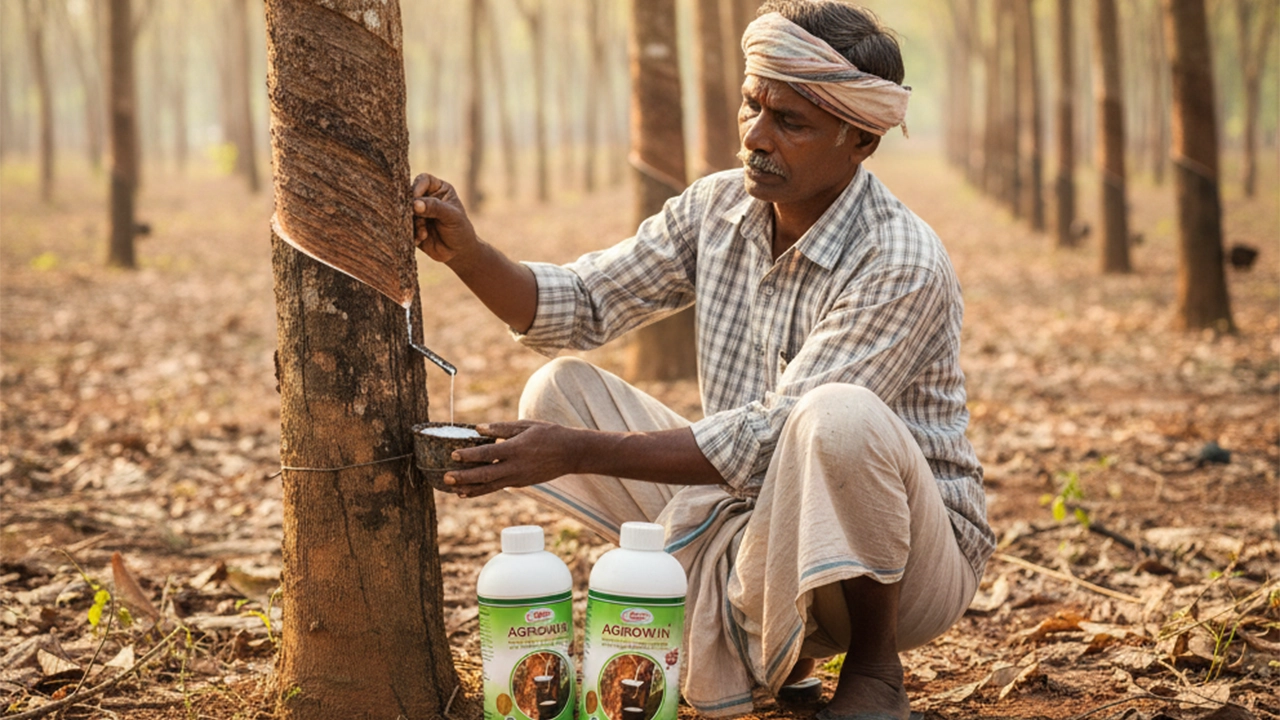
A deep look at the shift from traditional fertilizers to advanced bio–chemical solutions
Rubber cultivation in India has evolved significantly over the last decade. From traditional slow-releasing fertilizers to precision-formulated bio and chemical nutrient systems, farmers are now seeing faster results, higher latex yield, and healthier trees. This shift is driven by the need for better productivity, improved soil health, and sustainability.
The Need for Advanced Fertilizer Technology
Rubber trees require a balanced nutrient supply throughout their lifecycle. Traditional fertilizers often fail to deliver:
Slow nutrient release
Poor absorption
Soil dependency
Inconsistent results
Modern formulations solve these challenges through optimized nutrient ratios, gel-based consistency, targeted delivery, and enhanced absorption.
Why Gel-Based and Bio-Enriched Formulations Are Rising
Gel formulations offer quicker action because they:
Deliver nutrients uniformly
Minimize nutrient loss
Get absorbed faster by the tree
Offer consistent results regardless of soil variation
Bio-enhanced content also improves soil microbes, which leads to better root growth, enhanced nutrient uptake, and long-term soil recovery.
Impact on Latex Yield and DRC Quality
Modern fertilizers have shown:
Faster tree response in 2–3 weeks
Higher latex flow during tapping
Improved Dry Rubber Content (DRC)
Stronger trees that withstand climatic stress
Higher DRC directly increases market value, giving farmers better profit per kilogram.
Sustainable Growth for the Future
India’s rubber farmers are adopting these technologies not just for yield but for:
Long-term soil health
Reduced chemical dependency
Multi-season productivity
Higher resilience against diseases
Final Thoughts
As demand for better-quality rubber rises, advanced fertilizer technology is becoming essential. The shift is clear: faster action, higher yield, and sustainable results are the new standards for modern rubber farming.

Comments
adamgordon
Thanks for sharing this post, it’s really helpful for me.
cmsmasters
Glad to be of service.
annabrown
This is awesome!!
cmsmasters
Thanks.